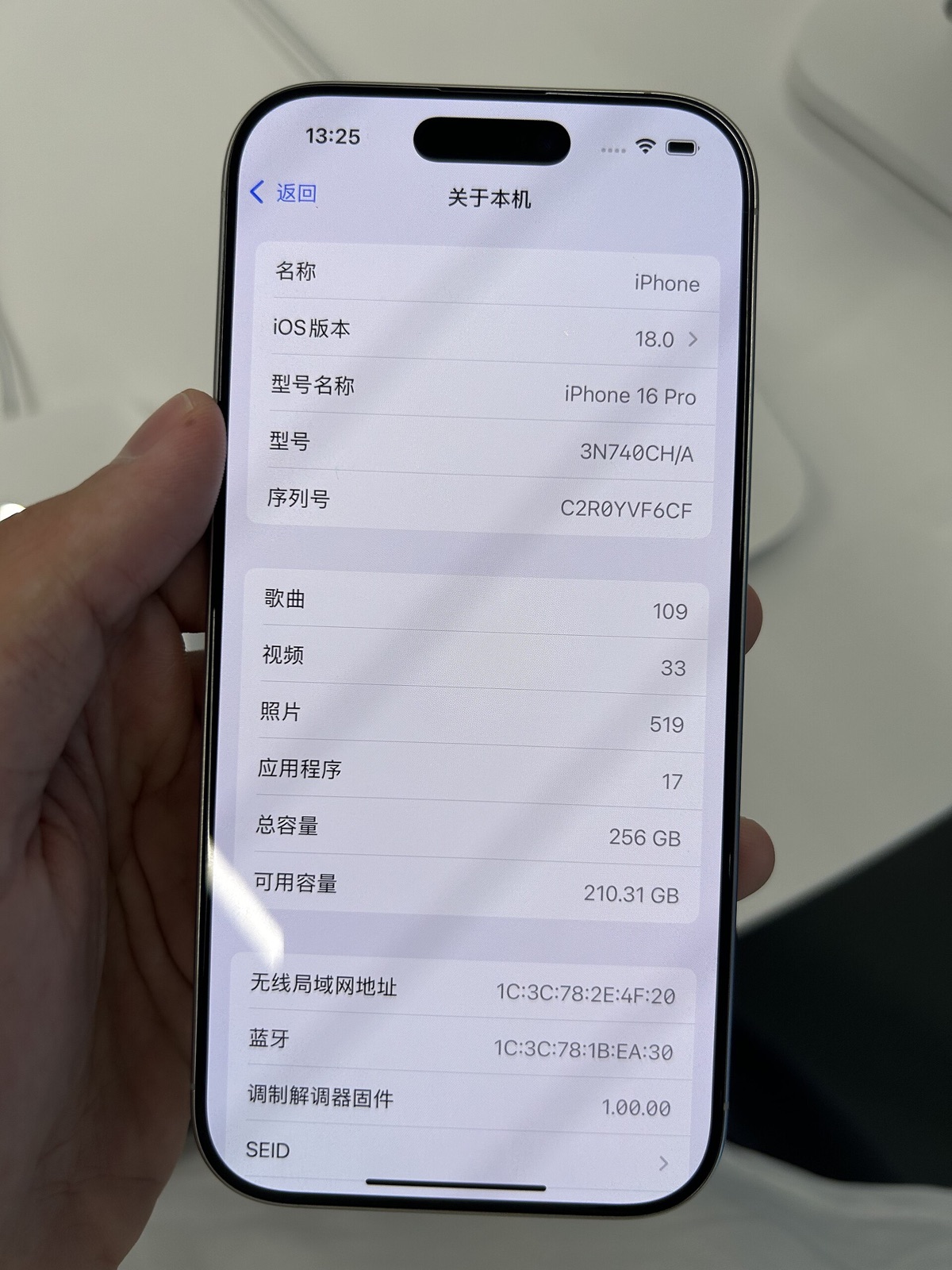
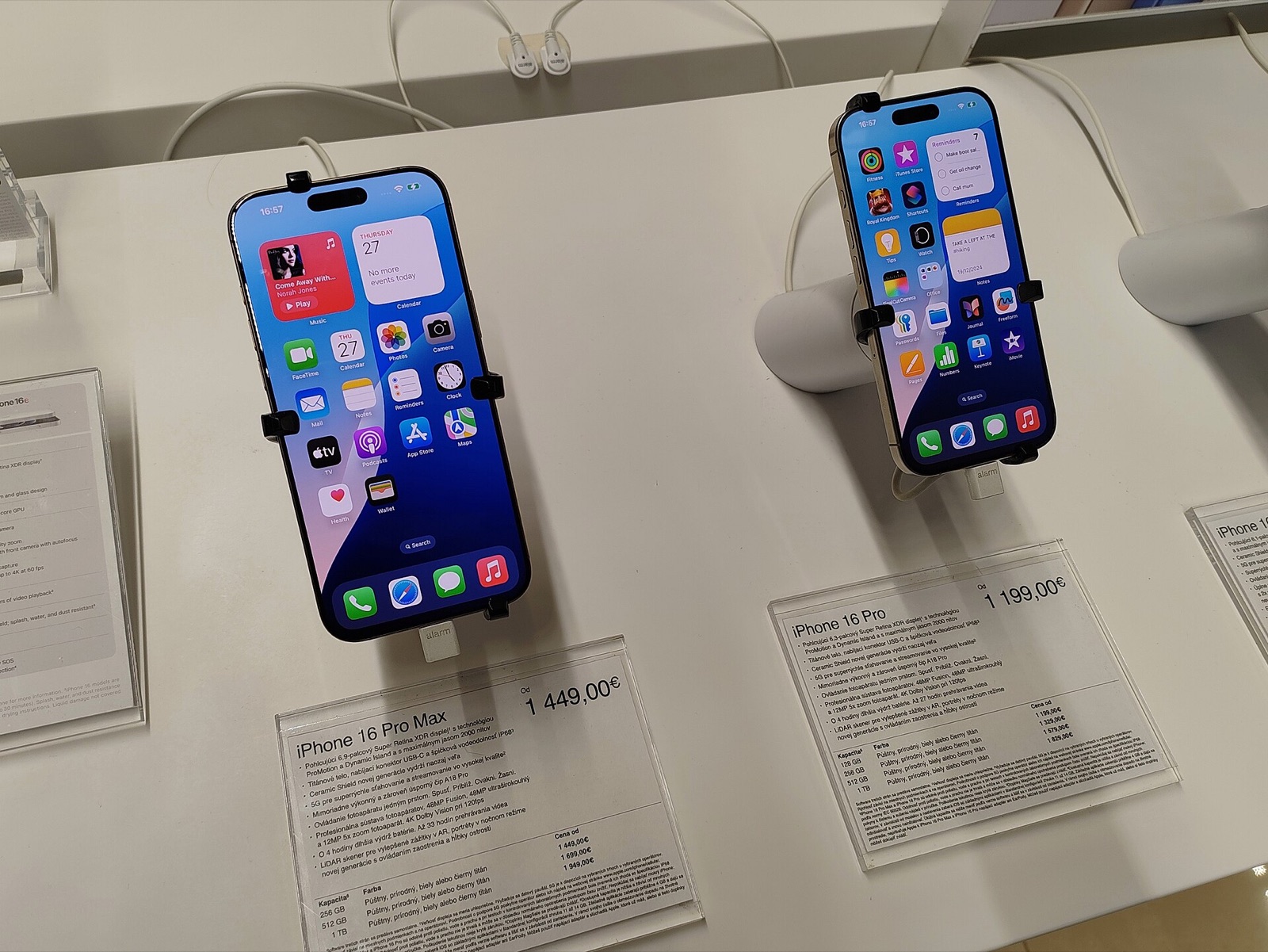
The iPhone 16 Pro no longer needs to prove that it is fast. Its A18 Pro chip handles demanding apps, 4K video, and sustained multitasking with room to spare. The more useful question in late 2026 is whether its smaller body makes it a smarter long-term buy than the largest iPhone available.
Volt Critic’s assessment is based on published specifications, hands-on reporting, and comparative product research. We focus on the details that shape ownership after the launch-week excitement has passed: fit, camera consistency, controls, endurance, and value.
The case for a smaller flagship
At 6.3 inches, the iPhone 16 Pro is large enough for maps, video, and photo review without turning every one-handed check into a balancing act. The narrower titanium frame gives it a denser, more deliberate feel than the standard iPhone 16, while the matte finish keeps grip predictable.
The 120Hz ProMotion display remains one of the most important quality-of-life features. Text stays crisp, motion is smooth, and the display can fall to a very low refresh rate when it is useful to preserve power. Outdoors, the screen’s brightness keeps maps and camera previews readable without forcing the entire interface into a washed-out look.
Cameras that reward patience
The 48MP main camera is flexible enough to produce clean everyday photos and usefully detailed files when there is time to compose. The 5x telephoto is a meaningful addition for travel, architecture, and performance photos, although it cannot replace a dedicated camera at the edges of low light.
Camera Control is the biggest physical change. It gives the phone a satisfying shutter-like feel and makes launch-to-photo time shorter, but learning the half-press versus swipe interactions takes longer than the demonstration suggests. It is a useful tool rather than an instant win.
Endurance, software, and the value question
The battery can carry a typical mixed day of messaging, navigation, photography, and streaming, but heavy camera sessions still make a portable battery useful. Charging is straightforward over USB-C, and the port also makes the phone easier to fit into an existing cable setup.
Apple’s long software support remains part of the value story. The iPhone 16 Pro may look expensive at launch, yet its combination of a compact body, strong camera range, and long update horizon makes it easier to spread that cost across years. Buyers who mainly watch video should still consider the standard iPhone 16; the Pro earns its premium through cameras, display quality, and the telephoto reach.
What works
- Compact-yet-premium titanium design
- Flexible 48MP main camera and useful 5x telephoto
- Excellent ProMotion display
- Strong performance and long software horizon
What does not
- Premium price that only makes sense for camera-heavy buyers
- Camera Control has a learning curve
- Base storage can fill quickly for video creators
Who should buy it?
- People who want a capable camera in a phone that still fits one hand reasonably well.
- Existing iPhone users who keep their phones for four or more years.
- Travelers who value a 5x telephoto without carrying a separate camera.
The verdict
The iPhone 16 Pro remains a convincing compact flagship. It does not win on price, but it wins on the number of small, useful decisions made well. Buy it for the camera system, the high-quality screen, and the simple fact that it feels more manageable than its Pro Max sibling.